Making difficult lives less lonely.
Some of the advocacy that matters most to me comes from experiences I never would have chosen. Recovery. Trauma. Survivorship. Mental health. Disability and caregiving. Raising children whose lives do not always fit comfortably inside the systems built around them.
I don't share those parts of my life because struggle makes someone extraordinary. I share them because isolation makes struggle harder.
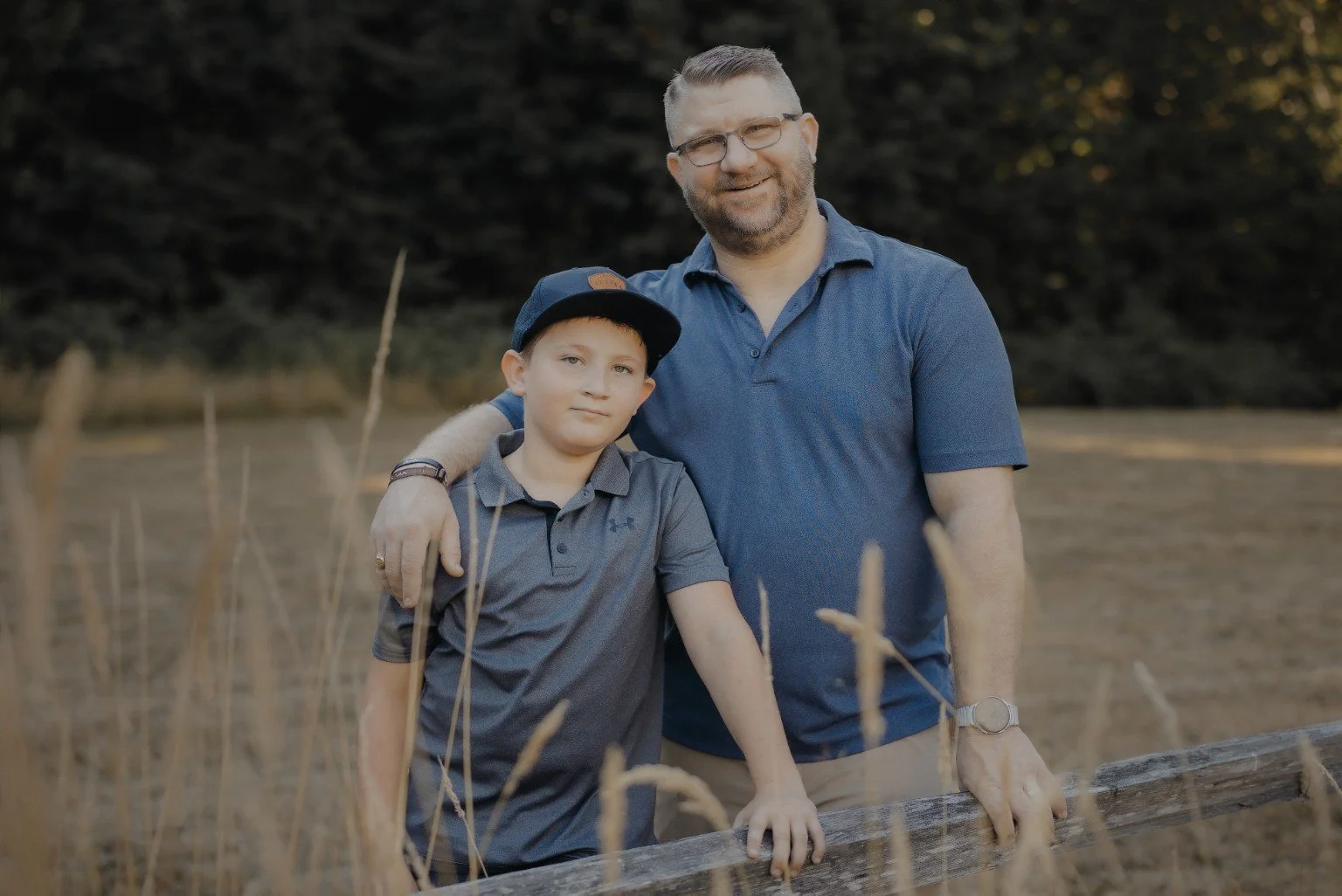
Survival is part of my story. It is not the whole story.
Difficult experiences can shape us without becoming the only thing that defines us. For me, advocacy is less about the labels attached to those experiences and more about what we can do with what we've learned.
Recovery
Recovery taught me that change is rarely dramatic or linear. It is built through honesty, accountability, community and the willingness to keep showing up. Years later, those lessons continue to shape how I understand leadership, faith and service.
Survivor Advocacy
Speaking about trauma and survivorship means refusing both silence and spectacle. I believe survivors deserve spaces where their experiences can be acknowledged without being reduced to what happened to them — and where healing can include the possibility of becoming more than a survivor.
Disability & Caregiving
Parenting and caregiving have taught me how often institutions are designed around people who can adapt to the institution. Advocacy sometimes means reversing that question: how can the institution adapt so a person can actually belong?
Mental Health
Mental health conversations become more useful when we can move beyond shame, stereotypes and easy explanations. Lived experience has made me more interested in listening carefully, recognizing what we cannot see and creating room for people to be honest about complicated lives.
Belonging is different from accommodation.
We often talk about inclusion as though access alone solves the problem. But being allowed into a room is not the same thing as feeling safe enough to be yourself once you're there.
That distinction has become especially important to me through parenting, navigating disability systems and spending time with other fathers raising children with disabilities and special needs.
Caregiving can be isolating. Families learn to translate their lives for schools, churches, healthcare systems, workplaces and sometimes even friends. Fathers, in particular, do not always have many places where the complicated parts of that experience can be said out loud.
Sometimes advocacy begins simply by creating one.
Dads Who Get It
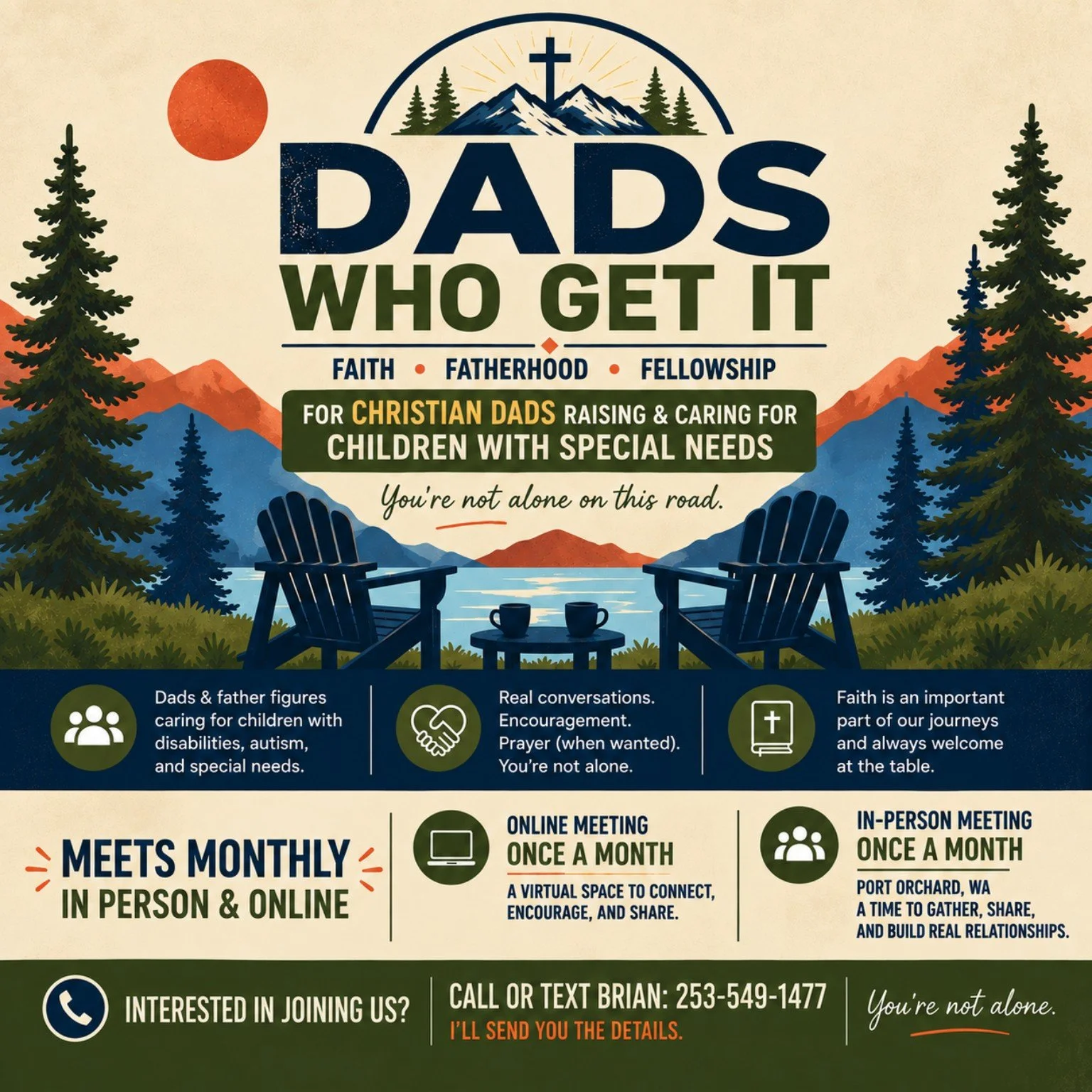
What began as a simple effort to connect Christian dads and father figures caring for children with disabilities has become a small community built around faith, fatherhood, fellowship and the freedom to have real conversations without pretending everything is fine.
Some stories are meant to be told.
For years, parts of my story were things I would rather have left behind. Over time, I have come to believe that telling the truth about what we survive can become an act of service — especially when someone else hears it and realizes they are not alone.
From silence to survivorship.
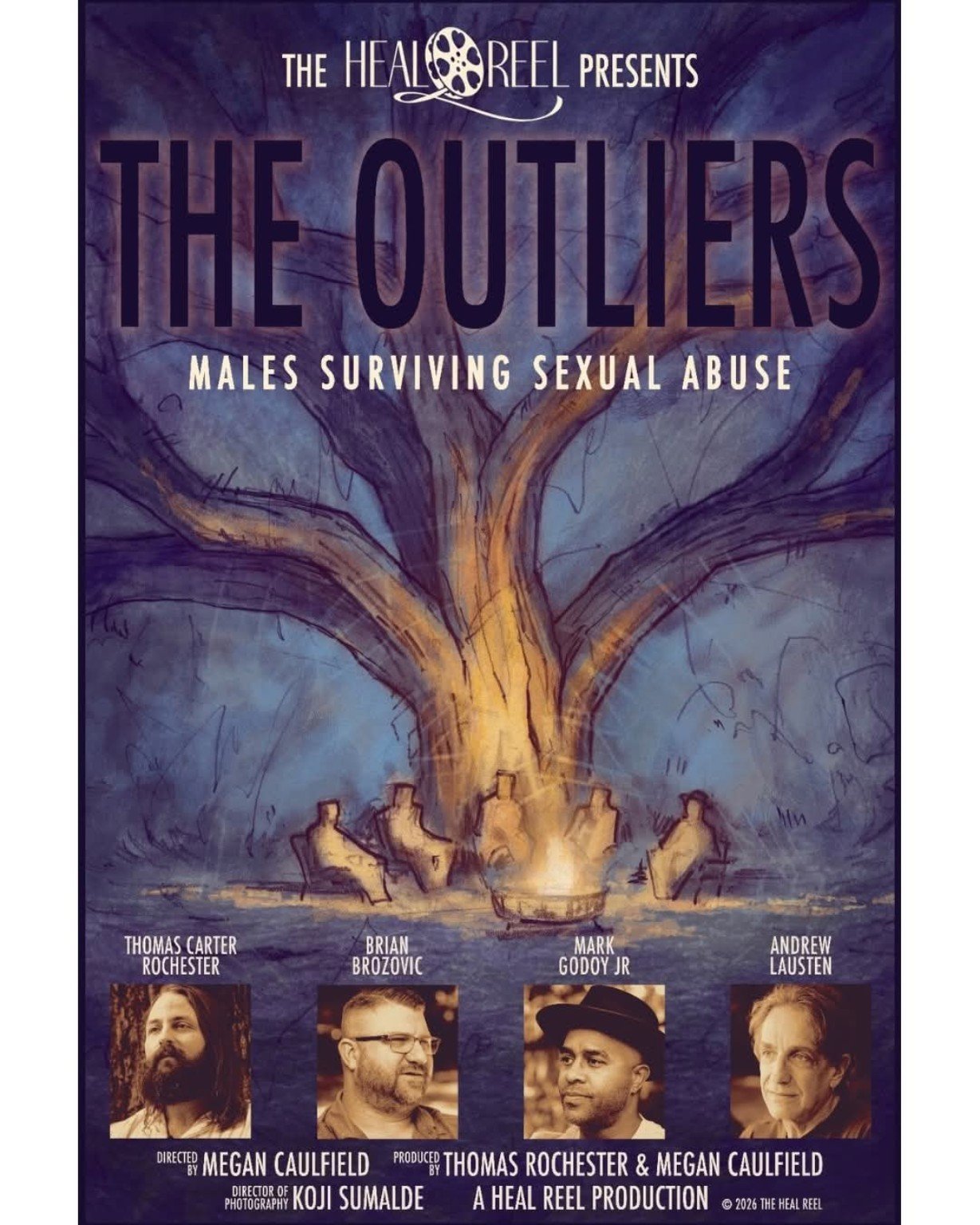
As a male survivor of childhood sexual abuse, I know how powerful silence can become. Shame, fear and cultural expectations can make it especially difficult for men and boys to disclose abuse, seek help or even find language for what happened.
My advocacy has included publicly sharing my own experience and participating in survivor-focused work intended to make those conversations easier for the people who come after us.
The goal is not to remain defined by what happened. It is to make room for what comes next.
Recovery taught me how to stay.
Recovery changed far more than whether I drank. It changed how I understand honesty, responsibility, forgiveness, community and the slow work of becoming someone different.
Recovery also taught me to distrust the mythology of the dramatic transformation. Most meaningful change happens much less dramatically: one decision, one conversation, one amends, one day at a time.
That perspective follows me everywhere now. Into leadership. Marriage and fatherhood. Faith. Advocacy. Even professional life.
Progress matters more than perfection. Accountability can coexist with grace. And sometimes the most courageous thing a person can do is admit that the way they have been living is no longer working.
We are allowed to become more than the worst chapter of our story.
Experience becomes useful when it becomes service.
I cannot make another person's path easy. I can use what I have learned to make parts of it less lonely.
Speak
Tell the truth about recovery, trauma, mental health, disability and caregiving in ways that create room for other people to tell the truth too.
Build
Help create communities where people who are often isolated — particularly caregivers, fathers and families navigating disability — can find belonging rather than simply accommodation.
Serve
Show up where people need help, whether that means ministry, youth development, disaster response, advocacy or the less visible work of being present for another person.
Our hardest experiences do not have to be wasted.
I don't believe suffering is good simply because something good can eventually grow from it. But I do believe we can decide what we do with the life that follows. For me, part of that answer is using my voice, experience and time to help other people feel seen, heard and less alone.