Faith big enough for real life.
I am interested in a Christianity that can survive contact with the complexity of being human — suffering and joy, doubt and conviction, failure and grace, work and family, food and fellowship, recovery and restoration.
Theology matters to me because life asks theological questions long before we decide to call them theology.
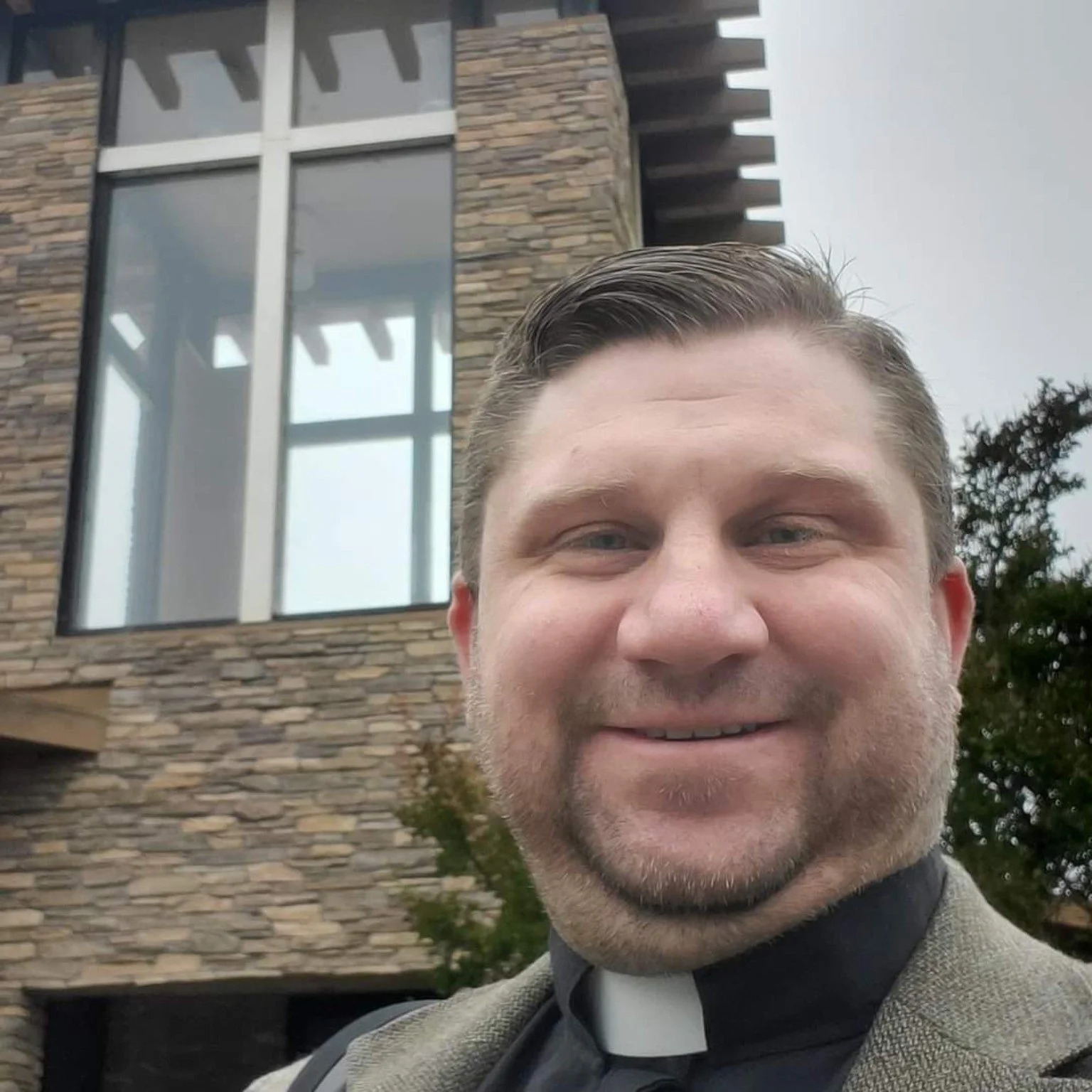
Theology belongs in ordinary life.
My theological interests are broad, but they keep returning to the same question: What does faith look like when it leaves the page and encounters actual people, actual suffering and actual responsibility?
Scripture & Preaching
Scripture is not simply material to be analyzed. It is a living witness that continues to confront, comfort and form communities. Preaching, for me, is the work of bringing the biblical text into conversation with the world people actually inhabit.
Vocation & Everyday Faith
Vocation is bigger than occupation. We are called into relationships, responsibilities and communities long before we acquire professional titles. I am increasingly interested in what it means to recognize calling in fatherhood, marriage, work, service and ordinary faithfulness.
Recovery, Grace & Restoration
Recovery gave theological words like confession, repentance, grace, forgiveness and restoration a different weight. They stopped being abstractions. Faith becomes particularly interesting to me where people are trying to rebuild lives rather than merely discuss what a rebuilt life should look like.
Food & Creation
Few things are more ordinary — or more theological — than eating. Food connects creation, land, animals, labor, hunger, abundance, hospitality, sacrifice and community. Those connections have become one of the central places where my professional and theological worlds meet.
What does food have to do with theology?
Quite a lot.
Every meal begins somewhere. Soil, water, plants, animals, farmers, processors, cooks, workers and communities all stand behind what eventually arrives at a table.
Christian Scripture is filled with food. Creation produces it. Abraham offers hospitality with it. Israel receives manna. Prophets speak about hunger and abundance. Jesus feeds crowds, eats with outsiders and gives his followers a meal by which to remember him.
Food Theology asks what those stories might mean for the way we think about agriculture and eating today.
How should we understand stewardship? What obligations do we have toward farmers, workers, animals and the hungry? How do technology and biotechnology fit within our responsibility toward creation? What does hospitality require of us? And what might the Eucharistic imagination teach us about receiving food as gift rather than merely commodity?
The table connects more of our lives than we realize.
I have more trust in a faith that has wrestled.
I value conviction. I also believe questions, doubt and disagreement can be signs of a faith being taken seriously rather than abandoned.
Scripture with Humility
I take Scripture seriously enough to wrestle with it. The Bible has authority in my life, but reading it faithfully also means recognizing context, interpretation and the limitations we bring to the text. Certainty and faithfulness are not always the same thing.
Grace for Complicated People
Christianity becomes particularly compelling to me when grace reaches the places we would rather hide. Faith should have something meaningful to say to people carrying addiction, trauma, mental illness, family struggle, doubt and failure — without reducing them to any of those things.
Theological Hospitality
People do not need to agree on every theological question before they can learn from one another, worship together or share a table. I am drawn to a theological hospitality that holds convictions sincerely while making room for questions, disagreement and people whose journeys look different from mine.
Calling is bigger than a career.
For years, I tended to think about calling as the thing I was supposed to eventually figure out — the one role that would explain what I was here to do.
I think about it differently now.
I am called to be a husband and father. I am called to follow Christ. I am called to serve my neighbor. Those callings do not disappear when I walk into a meat plant, stand behind a pulpit, speak at a conference or sit with another dad who is having a difficult week.
Vocation is where those callings encounter the particular work in front of me.
That means I don't necessarily have to choose between the meat industry and ministry, between professional expertise and advocacy, or between theology and ordinary life. The question is less “Which one is the real calling?” and more “How can I faithfully use what I have been given, where I am?”
Different rooms. The same vocation to love and serve my neighbor.
Faith is practiced in community.
Theology becomes most meaningful to me when it becomes something we actually practice together — through worship, teaching, conversation, service, meals and simply showing up for one another.
Preaching
I have spent nearly a decade providing pulpit supply and preaching in local congregations. I approach preaching as both interpretation and conversation: taking Scripture seriously while asking what The Good News sounds like in the lives people are actually living.
Theological Education
Seminary has given me space to study Scripture, theology, church history, ethics and ministry more deeply — not simply to accumulate answers, but to become better equipped to ask questions and serve faithfully.
Ministry Beyond Sunday
Some of the ministry I care most about happens outside traditional church programming: recovery communities, fathers navigating disability, conversations around food and faith, and places where people need belonging before they need another program.
Interested in a sermon, teaching conversation or faith-focused speaking engagement?
Faith keeps bringing me back to the table.
A table is where strangers can become neighbors, where hunger encounters abundance, where difficult conversations can happen without requiring everyone to leave the same, and where Christians remember a Savior who chose a meal as one of the central ways his followers would remember him.
Maybe that is why food and faith have become so difficult for me to separate.